.png)


Search query



उनसे प्यार करो, जिन्हें लोग पतित, गर्हित और हेय समझते हैं। जिन्हें केवल निंदा और भर्त्सना ही मिलती है। जो अपने ऊपर लदे हुए पिछड़ेपन के कारण न किसी के मित्र बन पाते हैं और न जिन्हें कोई प्यार करता है। प्यार करने योग्य वही लोग हैं, जिन्हें स्नेह-सद्भाव देकर तुम अपने को गौरवान्वित करोगे। माँगो मत। चाहो...

प्रौढ़ता को प्राप्त करता हुआ विज्ञान अब उन्हीं निष्कर्षों पर पहुँच रहा है, जिन पर सदियों पूर्व भारतीय तत्त्ववेत्ता ज्योतिर्विद् पहुँच चुके थे। समूचा ब्रह्मांड एक चैतन्य शरीर है, जिसका प्रत्येक स्पंदन हर घटक को प्रभावित करता है, जिसमें पृथ्वी और संबंधित वातावरण, वनस्पति एवं जीवधारी भी सम्मिलित हैं। प...

ज्ञान के दो पक्ष हैं— एक विचारणा, दूसरा संवेदना। विचार मस्तिष्क की देन हैं। वे बाहर से होते हैं; प्रशिक्षण एवं अनुभव के सहारे। भाव भीतर से उठते हैं। वे अंतःकरण के उत्पादन हैं। विचारों से जानकारी तो बढ़ती है और बुद्धि में परिपक्वता आती है, पर उनका प्रभाव अंतस् पर नहीं के बराबर पड़ता है। बहुत पढ़ने और ब...

अध्यात्म और विज्ञान को पिछले दिनों परस्पर विरोधी माना जाता रहा है। नवीनतम शोधें उन्हें पूरक ही नहीं, एकीभूत भी सिद्ध कर रही हैं। चेतना के क्षेत्र में वैज्ञानिक चिंतन का योग अगले दिनों शोध के नए आधार प्रस्तुत करेगा। यह विश्वास किया जाना चाहिए, विज्ञान के बढ़ते हुए चरण पदार्थ की मूलसत्ता की नवीन व्याख्...

“धरती पर जीवनोपयोगी परिस्थितियों का आधार जिन रासायनिक हलचलों और आणविक गतिविधियों पर निर्भर है, वे अंतरिक्ष से आने वाले रेडियो-तरंगों पर अवलंबित हैं। शक्ति के स्रोत उन्हीं में हैं। विविध विधि हलचलों की अधिष्ठात्री इन्हीं को कहना चाहिए। हमारा परिवार— हमारा शरीर— हमारा अस्तित्व सब कुछ प्रकारांतर से इन ...
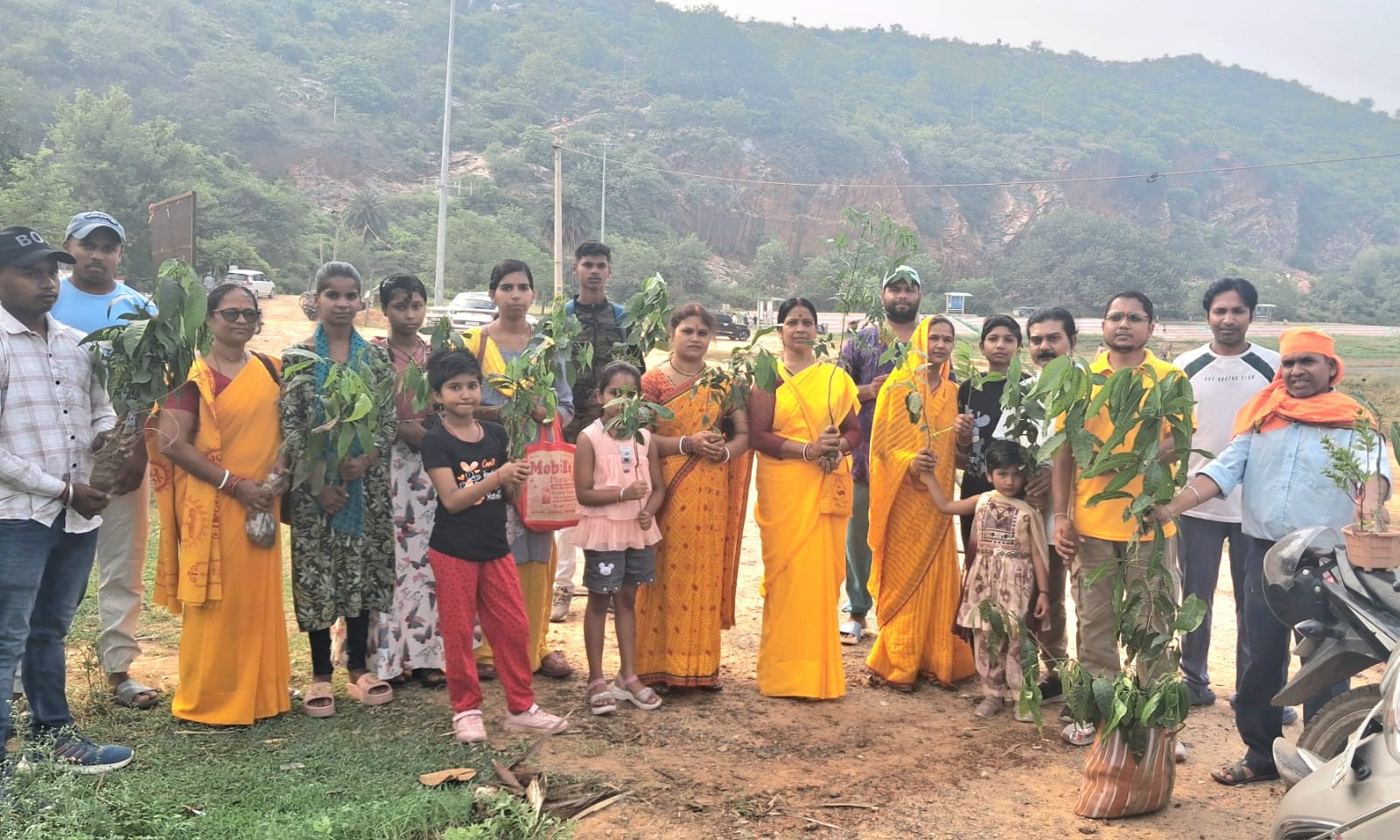
जमालपुर, 5 जून 2026। विश्व पर्यावरण दिवस के पावन अवसर पर प्रज्ञा युवा प्रकोष्ठ, जमालपुर द्वारा महिला मंडल के सहयोग से काली पहाड़ी, छठ पूजा घाट (नहर परिसर) में एक विशाल वृक्षारोपण अभियान का आयोजन किया गया। पर्यावरण संरक्षण एवं हरित भविष्य के संकल्प के साथ आयोजित इस अभियान में कुल 101 पौधों का रोपण कि...
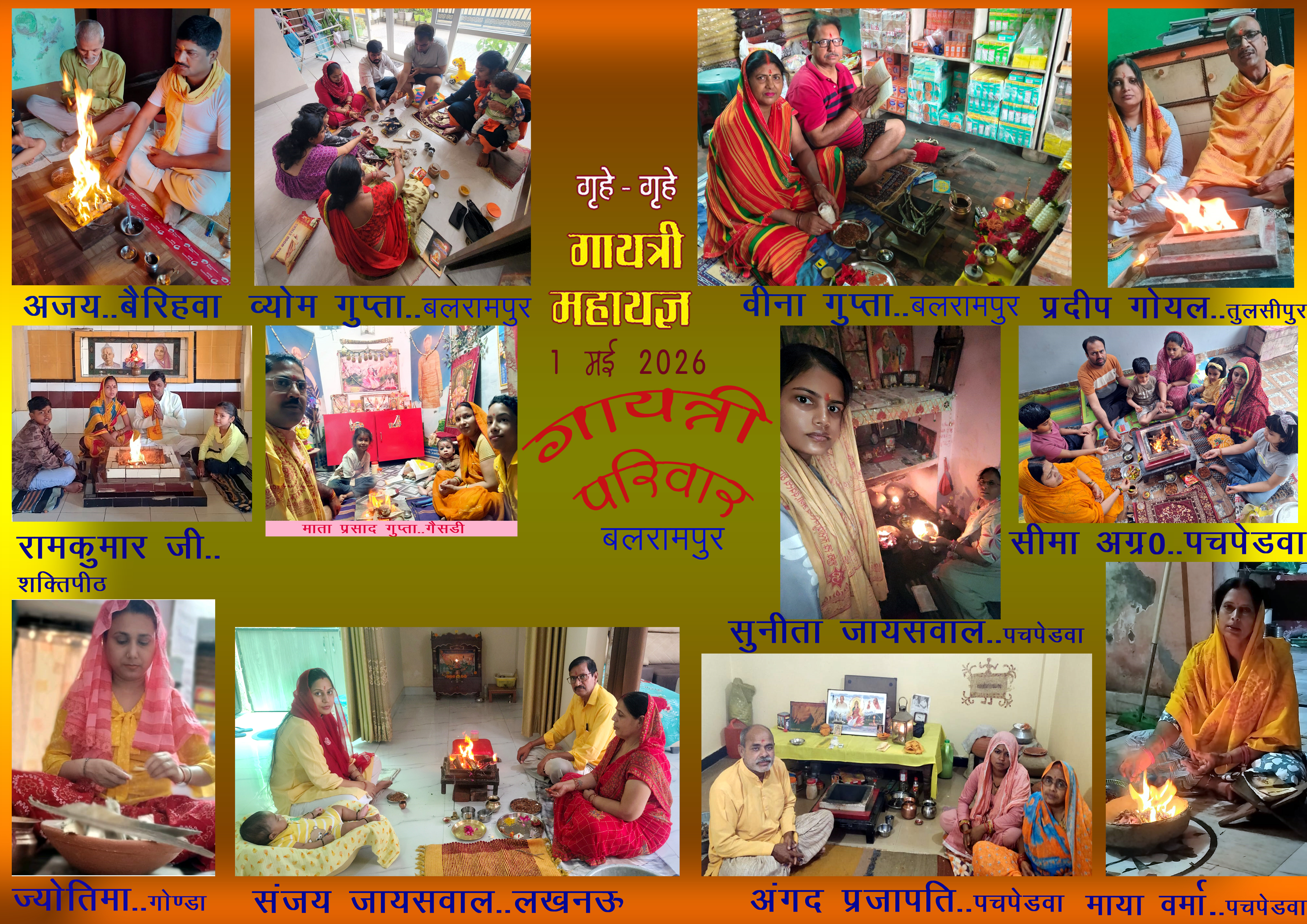
घर घर में में हम यज्ञ रचाएं, आओ भारत सबल बनाएं इसी कामना से आज बुद्ध पूर्णिमा के पावन पर्व पर अखिल विश्व गायत्री परिवार, शांतिकुंज (हरिद्वार) के दिशा निर्देश पर जनपद बलरामपुर के पचपेड़वा, गैंसड़ी और तुलसीपुर क्षेत्र में मानव में देवत्व का उदय, धरती पर स्वर्ग का अवतरण और विश्वव्यापी संकट निवारण हेतु...
विज्ञान का तात्पर्य— “प्रकृति के कुछ रहस्यों का उद्घाटन अथवा कुछ उपकरणों का निर्माण कर लेना मात्र नहीं है, वरन् उसकी व्यापकता मानवी दृष्टिकोण को अधिक सुविस्तृत, तथ्यपूर्ण एवं सत्यनिष्ठ बनाने तक चली जाती है।” विज्ञान का उपयोग भौतिक सुख-सुविधाओं के संवर्द्धन अथवा जानकारियों का क्षेत्र बढ़ाने तक सीमित ...
भावी पीढ़ी को मानसिक दिग्भ्रांति से बचाने के लिए यह प्रश्न सुलझाना आवश्यक है। धर्म के गिरते हुए मूल्य को देखकर ऐसा लगता है कि कहीं आने वाली पीढ़ियाँ पूर्णतया पदार्थवादी होकर अपनी आध्यात्मिक शक्तियाँ नष्ट न कर डालें। हमारी तरह से ऐसे विचार दुनिया के अनेक मनीषियों के मस्तिष्क में आए और उन्होंने अपनी-अ...
पिछले दिनों धर्म और विज्ञान को विरोधी माना जाता रहा है। दोनों के तर्क, प्रतिपादन और आधार एकदूसरे से भिन्न समझे जाते रहे हैं। एक को प्रत्यक्षवादी और दूसरे को परोक्षवादी कहकर उन्हें असंबद्ध कहा जाता रहा है। इसलिए दोनों की दिशा विपरीत मान ली गई और माना गया कि किसी धार्मिक के लिए विज्ञान को समझना एवं कि...

कैलगरी, अल्बर्टा (कनाडा)। जन्म शताब्दी वर्ष के उपलक्ष्य में चल रहे उत्तर अमेरिका प्रवास के क्रम में परम आदरणीय डॉ. चिन्मय पंड्या जी को पश्चिमी कनाडा के कैलगरी नगर में विशेष सम्मान प्रदान किया गया। उनके सामाजिक, शैक्षिक एवं सांस्कृतिक योगदानों के प्रति सम्मान व्यक्त करते हुए स्थानीय प्रशासन एवं जनप्र...
कैलगरी, अल्बर्टा (कनाडा)। जन्म शताब्दी वर्ष के उपलक्ष्य में चल रहे उत्तर अमेरिका प्रवास के क्रम में परम आदरणीय डॉ. चिन्मय पंड्या जी कैलगरी स्थित हिंदू मंदिर पहुँचे। इस अवसर पर स्थानीय गायत्री परिवार द्वारा एक भव्य कार्यक्रम का आयोजन किया गया, जिसमें सैकड़ों परिजन एवं श्रद्धालु उत्साहपूर्वक सम्मिलित ...
कैलगरी, अल्बर्टा (कनाडा)। जन्म शताब्दी वर्ष के उपलक्ष्य में चल रहे उत्तर अमेरिका प्रवास के क्रम में परम आदरणीय डॉ. चिन्मय पंड्या जी अल्बर्टा प्रांत के कैलगरी नगर पहुँचे। अल्बर्टा प्रवास के दूसरे दिन उनके आगमन पर स्थानीय परिजनों एवं कार्यकर्ताओं ने आत्मीय स्वागत कर अपनी श्रद्धा एवं उत्साह व्यक्त किया...
जमालपुर, 5 जून 2026। विश्व पर्यावरण दिवस के पावन अवसर पर प्रज्ञा युवा प्रकोष्ठ, जमालपुर द्वारा महिला मंडल के सहयोग से काली पहाड़ी, छठ पूजा घाट (नहर परिसर) में एक विशाल वृक्षारोपण अभियान का आयोजन किया गया। पर्यावरण संरक्षण एवं हरित भविष्य के संकल्प के साथ आयोजित इस अभियान में कुल 101 पौधों का रोपण कि...
एडमोंटन, अल्बर्टा (कनाडा)। जन्म शताब्दी वर्ष के उपलक्ष्य में चल रहे उत्तर अमेरिका प्रवास के क्रम में परम आदरणीय डॉ. चिन्मय पंड्या जी ने अल्बर्टा प्रांत की संसद का दौरा किया। इस अवसर पर संसद के अधिकारियों ने उनका आत्मीय स्वागत करते हुए उन्हें संसद परिसर का भ्रमण कराया तथा प्रांत की प्रशासनिक एवं सांस...
एडमोंटन, अल्बर्टा (कनाडा)। जन्म शताब्दी वर्ष के उपलक्ष्य में चल रहे उत्तर अमेरिका प्रवास के क्रम में परम आदरणीय डॉ. चिन्मय पंड्या जी ने गायत्री परिवार एडमोंटन द्वारा विकसित किए जा रहे प्रज्ञाकुंज केंद्र का अवलोकन किया। पश्चिमी कनाडा में स्थित यह विशाल परिसर आने वाले समय में साधना, संस्कार एवं आध्यात...

World Environment Day reminds us that nature is not separate from us — it is the very foundation of our existence. The balance of the environment directly impacts the balance of human life. Respected Gurudev Pt. Shri Ram Sharma Acharya emphasized that respecting and protecting nature is a form of hi...
एडमोंटन, अल्बर्टा (कनाडा)। जन्म शताब्दी वर्ष के उपलक्ष्य में चल रहे उत्तर अमेरिका प्रवास के क्रम में परम आदरणीय डॉ. चिन्मय पंड्या जी एडमोंटन स्थित हिंदू हेरिटेज मंदिर पहुँचे। इस अवसर पर स्थानीय परिजनों द्वारा एक भव्य कार्यक्रम का आयोजन किया गया, जिसमें सैकड़ों श्रद्धालु, भारतीय मूल के नागरिक एवं गाय...
एडमोंटन, अल्बर्टा (कनाडा)। जन्म शताब्दी वर्ष के उपलक्ष्य में चल रहे उत्तर अमेरिका प्रवास के दौरान परम आदरणीय डॉ. चिन्मय पंड्या जी को कनाडा के पश्चिमी प्रांत अल्बर्टा में विशेष सम्मान से नवाज़ा गया। उनके सामाजिक, शैक्षिक एवं सांस्कृतिक योगदानों को सम्मानित करते हुए अल्बर्टा की संसद द्वारा उन्हें विशे...
एडमोंटन, अल्बर्टा (कनाडा)। जन्म शताब्दी वर्ष के उपलक्ष्य में चल रहे उत्तर अमेरिका प्रवास के क्रम में परम आदरणीय डॉ. चिन्मय पंड्या जी अल्बर्टा प्रांत के एडमोंटन नगर स्थित काउंसिल ऑफ इंडिया पहुँचे। इस अवसर पर स्थानीय परिजनों एवं युवाओं ने उनका हार्दिक एवं आत्मीय स्वागत किया। अल्बर्टा प्रवास के दौरान आ...
Thought Revolution
The illuminated ascent to a higher level of consciousness leads to the transmutation of society, thus altering the trends of time creating a better world.

Model of new era
Shantikunj is a fountain-head of global movement Yug Nirman Yojna (Reconstruction of the Era) for moral-spiritual regeneration in the light of hoary Indian heritage.

Siksha and Vidya
A unique Man making university – DSVV, Bal Sanskar Shala, BSGP – Awareness for school students

Social Development
Qualitative Changes in Society
Rural Management. Self Reliant Trainings,
Disaster management, De-addiction,
Eradicating evil customs etc..

3200 books by single person
Revolutionary books will bring change in Your life.
Written by Vedmurti, Taponistha Pt. Shriram Sharma Acharya.

Subtle & Gross
Ashwamedha Yagya to clean Subtle Environment, Nirmal Ganga & Water Conservation Movement, Vriksha Ganga – Mega Tree Plantation


Revitalize Scientifically, Philosophically and Spirituality your Relations with Self and Family by new Rituals - Janmdiwas, Vivah Diwas & Deep Yagya.

Simple living high thinking. Max for other and
less for self has been culture of India.
Shatikunj is model of Concept of Time & Talent donation.

Alternative therapies help Natural Growth.
Healthy living tips from Vedas
Holistic Living Life
Physical, Mental, Spiritual and Social Health

Initiate with simple steps of Gayatri Meditation,
Realize the power of Gayatri &
Reach to self realization.

Refinement of life by adopting four disciplines - spiritual practice (Upasana/Sadhana), self-study (swadhayaya), self-restraint (sanyam) and social service (seva).

A simple yet effective 5 step procedure to get rid off harmful tendencies & finding right path of progress (Spiritual & Material both).


Practical Guidance for Spiritual development
Apply Online

Purification of inherent tendencies. Performed and explained scientifically at Shantikunj.

Personal guidance for spiritual growth and self refinement.Refer FAQs

The life transforming traditions of Vedic Rishi’s are revived here.

Continuous Gayatri 1Mantra Jap along with Akhand Deepak since 1926.Daily Yagya by thousands present a memorable sight in the morning hours.

Higher-level research on Gayatri Mantra and the scientific effects of Yagya.

An independent spiritual magazine
illuminating mind of millions since 1940

DIYA - Divine India Youth Associations
For Youth and Corporates Programs

Share your Thoughts/comments
Initiate Spiritual Discussion

At the age of 15- Self-realization on Basant Panchanmi Parva 1926 at Anwalkheda (Agra, UP, India), with darshan and guidance from Swami Sarveshwaranandaji.

More than 2400 crore Gayatri Mantra have been chanted so far in its presence. Just by taking a glimpse of this eternal flame, people receive divine inspirations and inner strength.

It was started in 1938 by Pt. Shriram Sharma Acharya. The main objective of the magazine is to promote scientific spirituality and the religion of 21st century, that is, scientific religion.

The effect of sincere and steadfast Gayatri Sadhana is swift and miraculous in purifying, harmonizing and steadying the mind and thus establishing unshakable inner peace and a sense of joy filled calm even in the face of grave trials and tribulations in the outer life of the Sadhak.

आचार्य जी ने सिद्धांत और साधना को आधुनिक युग के अनुकूल तर्क व शब्द देकर सामाजिक परिवर्तन का जो मार्ग दिखाया है, उसके लिए आने वाली पीढ़ियाँ युगों-युगों तक कृतज्ञ रहेंगी।